
Retaining Wall Design & Installation
Professional retaining wall design and installation services in Salem, OR that solve drainage problems and transform sloped yards into usable space.
Why Your Property Needs a Retaining Wall
Retaining walls do more than just hold back dirt. They transform unusable sloped yards into functional outdoor living areas, prevent soil erosion, manage water drainage, and add valuable square footage to your property. At SMM Salem Masonry, we handle retaining wall construction that solves real problems while enhancing your property's appearance and value.
Here is what most homeowners discover about sloped properties. That hill in your backyard is not just limiting your usable space. It is probably causing drainage issues, washing away topsoil, and making maintenance a constant headache. Maybe water runs toward your foundation during heavy rain. Maybe your yard is so sloped that kids cannot play safely or you cannot install the patio you have been wanting. A properly designed retaining wall fixes all these problems at once.
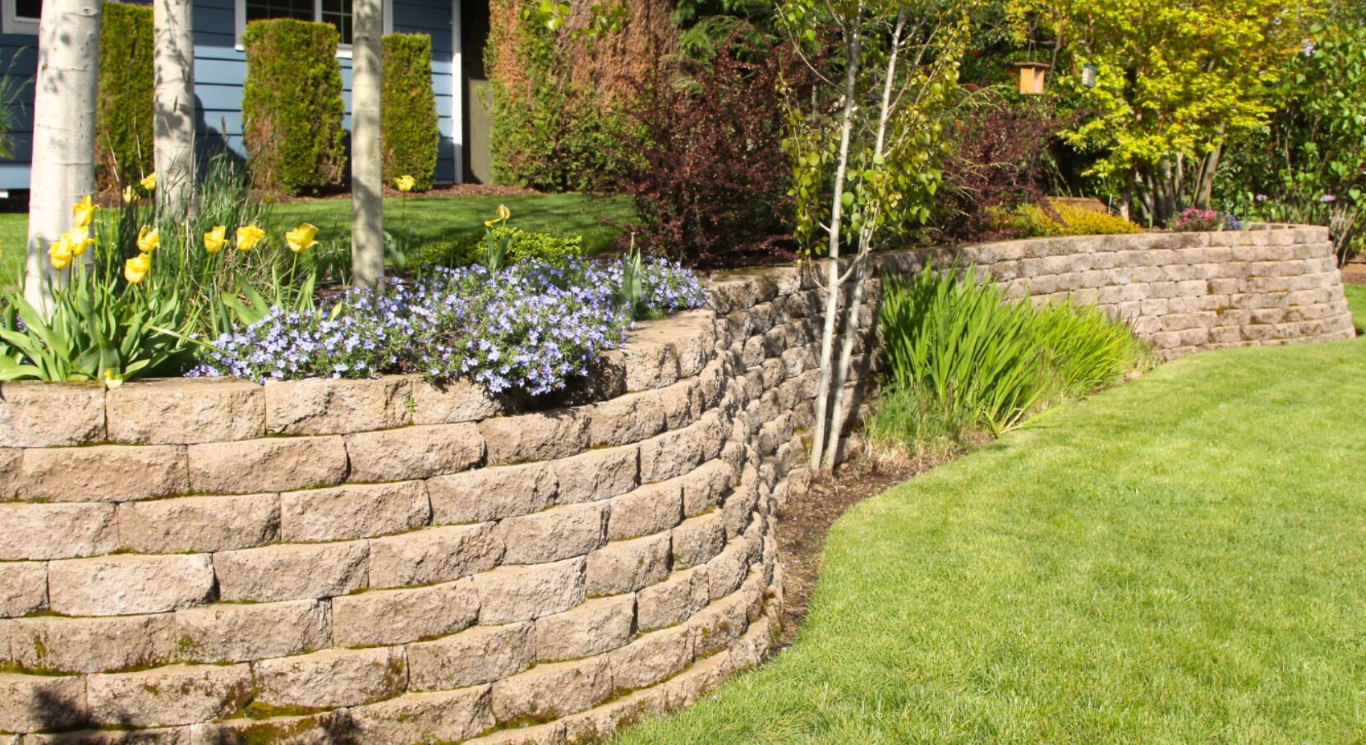
The benefits go beyond just function. A well-built retaining wall creates level terraces perfect for gardens, patios, or lawn areas. It protects your foundation from water damage by redirecting drainage away from your home. It stops soil erosion that would otherwise wash away your landscaping investment. And it adds serious curb appeal with natural stone or manufactured block that complements your home's style. For Salem properties dealing with our rainy climate, proper retaining wall drainage is not optional. It is essential for protecting your entire property.
What Makes a Retaining Wall Last
Building retaining walls is not just stacking blocks. It requires engineering knowledge, proper materials, and careful attention to drainage and soil conditions. Here are the critical factors we consider in every retaining wall project:
- •Height and load calculations: The taller your wall, the more engineering it requires. Walls over four feet typically need engineered designs and permits. We handle all the calculations and paperwork so your wall meets local building codes.
- •Proper drainage system: This is the most important part that DIY projects often get wrong. Without proper drainage behind the wall, water pressure builds up and eventually pushes the wall over. We install drainage pipe, gravel backfill, and weep holes that keep water flowing away from the structure.
- •Foundation depth: Your retaining wall needs a solid foundation below the frost line. Skimping on foundation work leads to walls that shift, crack, or lean within a few years.
- •Material selection: Natural stone, concrete block, brick, and manufactured retaining wall systems each have advantages depending on your specific situation, budget, and aesthetic preferences. We help you choose materials that work for your project.
- •Soil type and conditions: Clay soil, sandy soil, and rocky soil all require different approaches. We test soil conditions and design accordingly so your wall performs properly in your specific location.
We have seen too many failing retaining walls built without attention to these fundamentals. When walls lean, crack, or collapse, it is usually because of poor drainage design or inadequate foundation work. Our walls last for decades because we get the engineering right from the start. For properties needing additional hardscaping, we often coordinate retaining wall installation with patio construction to create cohesive outdoor living spaces.
Our Retaining Wall Installation Process
Every successful retaining wall project follows the same proven sequence. We do not cut corners or skip steps, because that is how walls fail. Here is what you can expect when we build your retaining wall.
Site Assessment and Design
We start with a thorough site visit to evaluate your slope, soil conditions, drainage patterns, and property layout. We discuss your goals for the space and take measurements. Then we create a detailed design that addresses your specific challenges while staying within budget. For walls requiring engineering calculations or permits, we handle all the technical work and approvals before breaking ground.
Excavation and Foundation Prep
Proper excavation sets up everything that follows. We dig below the frost line and create a level, compacted base using crushed stone. The foundation trench must be perfectly level and properly compacted, or your entire wall will be compromised. This step takes longer than most homeowners expect, but it is critical for long-term performance.
Drainage System Installation
Before building the visible wall, we install the drainage system that will keep it standing for decades. This includes perforated drain pipe along the base, layers of gravel backfill that let water flow freely, and proper grading that directs water away from the structure. We also plan for weep holes or drainage gaps in the wall face to release any water that gets through.
Wall Construction
Now comes the visible work. We build your wall course by course, ensuring each level is perfectly aligned and properly secured. For taller walls, we install geogrid reinforcement that extends back into the soil for extra strength. Every block or stone is checked for level and proper placement. The care we take during construction shows in walls that stay straight and solid year after year.
Backfilling and Finishing
After the wall structure is complete, we carefully backfill with drainage gravel and proper soil in layers, compacting as we go. The backfill process is just as important as building the wall itself. Poor backfill leads to settling and structural problems. We finish with proper grading, cleanup, and any planned landscaping or hardscaping. For comprehensive outdoor projects, we coordinate with services like step construction to create complete outdoor environments.
Transform Your Sloped Yard
Get your free retaining wall design consultation and estimate today.
(971) 332-4887